
Crochet Is Easier Than It Seems - Here's Why
Have you ever thought of crocheting? While it can seem intimidating at first, you only need to learn a few basic knots to get started. Let's take a look at these knots and how to master them.
CROCHETPOPULAR
5/8/202411 min read
Crochet Is Easier Than It Seems - Here's Why
Time to complete: 1 hour
Jan. 1, 2026
10 min. read
Have you ever thought of crocheting? While it can seem intimidating at first, you only need to learn a few basic knots to get started. Let's take a look at these knots and how to master them.
Gallery
See how it looks in real life
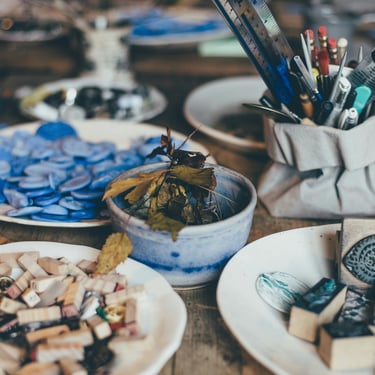
Supplies You Need
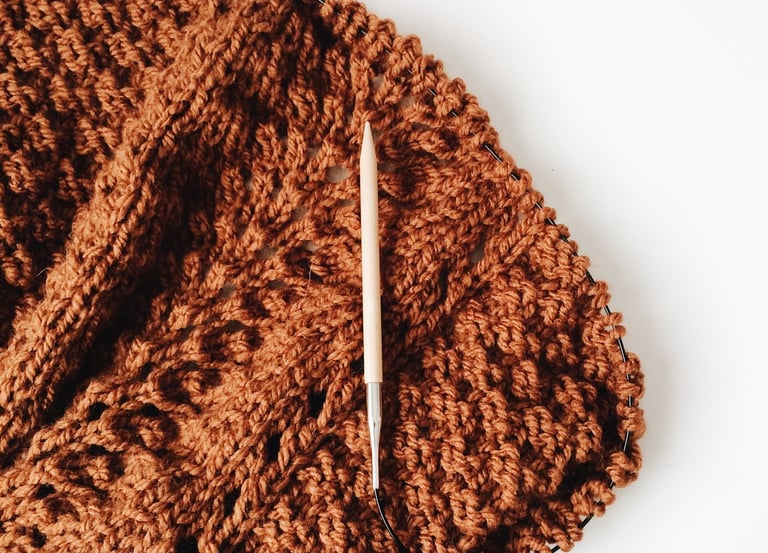
Yarn
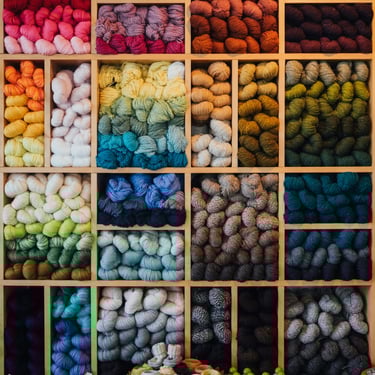
For this project, you can use any yarn you find. I recommend using a lighter-colored one, so it's easier to see the knots.
Crochet ring (optional)
This might be useful to speed up the crocheting process, but the results will be just as good without it. You can start without a ring and come back here later or begin with it right away. I will explain how to use the ring in the post.
3mm hook (or larger)
I recommend starting with a 3mm hook - it sits nicely in your hand and is the perfect size for getting started. You can use a larger or smaller one, if you prefer.
Understanding the Basics of Crochet
Hobbies ⟶
Crochet
Ashley Greene
Jan 31, 2026


Crochet is a versatile and creative craft that utilizes a hooked needle to interlock yarn into a variety of designs, textures, and patterns. It differs from knitting, as crochet employs a single hook instead of two needles, allowing for a vast array of techniques and stitch combinations. Understanding the foundation of crochet will greatly empower beginners to embark on their crafting journey.
At its core, crochet relies on a basic set of stitches. The most common stitches include the chain stitch, slip stitch, single crochet, and double crochet. Each stitch serves as a building block, creating intricate designs once combined. As you progress from these fundamental stitches, you will encounter a range of variations, such as half double crochet, treble crochet, and cluster stitches, enabling you to explore more complex patterns.
Familiarizing yourself with essential crochet terminology is also crucial. Terms like "gauge" (the measurement of your stitches per inch), "yarn over" (a technique used to create additional loops), and "row" (the horizontal stripe of work) will frequently appear in patterns. Understanding these terms will enhance your ability to read instructions and execute designs accurately.
Additionally, having the right tools is vital for a successful start in crochet. A crochet hook, typically made from metal, plastic, or bamboo, comes in various sizes, ranging from very thin (for delicate threads) to larger (for bulkier yarns). Alongside the hook, choosing suitable yarn is essential; yarn comes in diverse fibers, weights, and textures. Common yarn categories include worsted weight, sport weight, and lace weight, each offering unique properties that can influence your project’s outcome.
By grasping the basics of crochet, including the types of stitches, terminology, and necessary tools, beginners are better equipped to successfully interpret patterns and enjoy the numerous possibilities that crochet offers. This foundational knowledge fosters confidence and creativity in future projects.
Choosing Your Supplies
When embarking on your crocheting journey, the first crucial step is selecting the right supplies, which primarily consist of yarn and crochet hooks. The options available can be overwhelming for beginners, so it is essential to understand a few key factors that will simplify your decision-making process.
Firstly, consider the weight of the yarn. Yarn comes in various thicknesses, often categorized into weights such as lace, fingering, sport, worsted, and bulky. For beginners, worsted weight yarn is generally recommended due to its versatility and ease of handling. It works well with a variety of stitches and produces a pleasant texture for various projects.
Moreover, the fiber type plays a significant role in the final outcome of your work. Yarn can be made from natural fibers, such as cotton and wool, or synthetic fibers, like acrylic and nylon. Cotton is ideal for items that require structure, whereas acrylic yarn is often favored for its affordability and ease of care. Beginners may find acrylic yarn a great choice as it is widely available and comfortable to work with for practice projects.
Next, selecting the appropriate crochet hook is equally important. The size of the hook should correspond to the yarn weight; most yarn labels provide guidance on the recommended hook size. For worsted weight yarn, a hook size of H/8 (5 mm) is usually suitable. As for materials, options include aluminum, wood, and plastic. Beginners may prefer aluminum hooks as they glide smoothly through the yarn, thereby reducing the likelihood of frustration during the initial learning phase.
To sum up, when choosing your crochet supplies, focus on worsted weight yarn with fibers that suit your intended projects, alongside a corresponding crochet hook, which will facilitate a smoother learning experience. Quality beginner-friendly options are readily available, ensuring that your first crochet experience is enjoyable and rewarding.
Starting Your First Project
As a beginner, selecting your first crochet project can be both exciting and overwhelming. To simplify the process, consider starting with a simple pattern that requires minimal skill and materials. Popular choices include scarves and dishcloths, which not only allow you to grasp basic stitches but also yield practical items quickly.
When choosing your first project, it is crucial to select a pattern that is labeled as suitable for beginners. These patterns often feature repetitive stitches, making it easier for novices to practice without feeling frustrated. Additionally, consider the yarn weight and hook size recommended in the pattern—the lighter the yarn, the easier it may be to see your stitches. A medium-weight yarn paired with a corresponding hook size generally offers a good balance for learning.
Before you begin your project, familiarize yourself with how to read a crochet pattern. Basic patterns typically include abbreviations that define each stitch, such as chain (ch), single crochet (sc), and double crochet (dc). Understanding these terms simplifies following along as you work through lines of stitches. If a particular pattern appears daunting, search for tutorial videos that visually demonstrate the process; seeing the stitches in action can greatly enhance your comprehension.
Once you have chosen your pattern and materials, set aside dedicated time to start crocheting. Ensure your workspace is comfortable and well-lit. Beginners should work in increments, allowing time to practice each segment before moving on. This approach not only builds skills but increases confidence. Embarking on your crochet journey with a clear and achievable first project will help you not only to learn the art of crochet but also to enjoy the process as your skills evolve.
Tips for Success and Overcoming Challenges
Embarking on your crochet journey can be both exciting and challenging. To ensure your success in this craft, it is vital to understand how to effectively deal with common issues and enhance your skills. One of the first tips is to embrace mistakes as part of the learning process. Everyone makes errors, whether it's dropping a stitch or miscounting rows. Rather than feeling discouraged, view these moments as opportunities to learn. Discovering how to correct your mistakes can significantly bolster your confidence.
Another valuable resource for beginners is engaging with online crochet communities. Platforms such as Ravelry, Facebook, and various forums host a wealth of information and can connect you with fellow crocheters. These groups often offer support for troubleshooting issues, sharing patterns, and promoting encouragement. Participating in discussions with experienced crafters can offer insights that are invaluable for a novice. Additionally, watching tutorials on platforms like YouTube can further clarify techniques, making learning engaging and effective.
Regular practice is crucial for improvement. Set aside time each week dedicated to crochet; even short sessions can lead to significant skill development. It's important to start with simple projects that can be completed in a reasonable timeframe. This will give you a sense of accomplishment and motivate you to tackle more complex designs. As you progress, challenge yourself by trying new stitches or techniques to broaden your expertise.
Lastly, remember that crochet is not only a skill but also a creative outlet. Stay patient throughout your crocheting journey and enjoy the process of creating beautiful items. This mindset will not only enhance your experience but will also result in more satisfying and successful outcomes in your crochet projects.
Hobbies
Crochet
Friendship bracelets
Dreamcatchers
Popular tags
Featured favourites
Macrame


Dreamcatcher Secrets: How to Make the Perfect Web
Understanding the Basics of Crochet
Hobbies ⟶
Crochet
Ashley Greene
Jan 31, 2026
Crochet is a versatile and creative craft that utilizes a hooked needle to interlock yarn into a variety of designs, textures, and patterns. It differs from knitting, as crochet employs a single hook instead of two needles, allowing for a vast array of techniques and stitch combinations. Understanding the foundation of crochet will greatly empower beginners to embark on their crafting journey.
At its core, crochet relies on a basic set of stitches. The most common stitches include the chain stitch, slip stitch, single crochet, and double crochet. Each stitch serves as a building block, creating intricate designs once combined. As you progress from these fundamental stitches, you will encounter a range of variations, such as half double crochet, treble crochet, and cluster stitches, enabling you to explore more complex patterns.
Familiarizing yourself with essential crochet terminology is also crucial. Terms like "gauge" (the measurement of your stitches per inch), "yarn over" (a technique used to create additional loops), and "row" (the horizontal stripe of work) will frequently appear in patterns. Understanding these terms will enhance your ability to read instructions and execute designs accurately.
Additionally, having the right tools is vital for a successful start in crochet. A crochet hook, typically made from metal, plastic, or bamboo, comes in various sizes, ranging from very thin (for delicate threads) to larger (for bulkier yarns). Alongside the hook, choosing suitable yarn is essential; yarn comes in diverse fibers, weights, and textures. Common yarn categories include worsted weight, sport weight, and lace weight, each offering unique properties that can influence your project’s outcome.
By grasping the basics of crochet, including the types of stitches, terminology, and necessary tools, beginners are better equipped to successfully interpret patterns and enjoy the numerous possibilities that crochet offers. This foundational knowledge fosters confidence and creativity in future projects.
Choosing Your Supplies
When embarking on your crocheting journey, the first crucial step is selecting the right supplies, which primarily consist of yarn and crochet hooks. The options available can be overwhelming for beginners, so it is essential to understand a few key factors that will simplify your decision-making process.
Firstly, consider the weight of the yarn. Yarn comes in various thicknesses, often categorized into weights such as lace, fingering, sport, worsted, and bulky. For beginners, worsted weight yarn is generally recommended due to its versatility and ease of handling. It works well with a variety of stitches and produces a pleasant texture for various projects.
Moreover, the fiber type plays a significant role in the final outcome of your work. Yarn can be made from natural fibers, such as cotton and wool, or synthetic fibers, like acrylic and nylon. Cotton is ideal for items that require structure, whereas acrylic yarn is often favored for its affordability and ease of care. Beginners may find acrylic yarn a great choice as it is widely available and comfortable to work with for practice projects.
Next, selecting the appropriate crochet hook is equally important. The size of the hook should correspond to the yarn weight; most yarn labels provide guidance on the recommended hook size. For worsted weight yarn, a hook size of H/8 (5 mm) is usually suitable. As for materials, options include aluminum, wood, and plastic. Beginners may prefer aluminum hooks as they glide smoothly through the yarn, thereby reducing the likelihood of frustration during the initial learning phase.
To sum up, when choosing your crochet supplies, focus on worsted weight yarn with fibers that suit your intended projects, alongside a corresponding crochet hook, which will facilitate a smoother learning experience. Quality beginner-friendly options are readily available, ensuring that your first crochet experience is enjoyable and rewarding.
Starting Your First Project
As a beginner, selecting your first crochet project can be both exciting and overwhelming. To simplify the process, consider starting with a simple pattern that requires minimal skill and materials. Popular choices include scarves and dishcloths, which not only allow you to grasp basic stitches but also yield practical items quickly.
When choosing your first project, it is crucial to select a pattern that is labeled as suitable for beginners. These patterns often feature repetitive stitches, making it easier for novices to practice without feeling frustrated. Additionally, consider the yarn weight and hook size recommended in the pattern—the lighter the yarn, the easier it may be to see your stitches. A medium-weight yarn paired with a corresponding hook size generally offers a good balance for learning.
Before you begin your project, familiarize yourself with how to read a crochet pattern. Basic patterns typically include abbreviations that define each stitch, such as chain (ch), single crochet (sc), and double crochet (dc). Understanding these terms simplifies following along as you work through lines of stitches. If a particular pattern appears daunting, search for tutorial videos that visually demonstrate the process; seeing the stitches in action can greatly enhance your comprehension.
Once you have chosen your pattern and materials, set aside dedicated time to start crocheting. Ensure your workspace is comfortable and well-lit. Beginners should work in increments, allowing time to practice each segment before moving on. This approach not only builds skills but increases confidence. Embarking on your crochet journey with a clear and achievable first project will help you not only to learn the art of crochet but also to enjoy the process as your skills evolve.
Tips for Success and Overcoming Challenges
Embarking on your crochet journey can be both exciting and challenging. To ensure your success in this craft, it is vital to understand how to effectively deal with common issues and enhance your skills. One of the first tips is to embrace mistakes as part of the learning process. Everyone makes errors, whether it's dropping a stitch or miscounting rows. Rather than feeling discouraged, view these moments as opportunities to learn. Discovering how to correct your mistakes can significantly bolster your confidence.
Another valuable resource for beginners is engaging with online crochet communities. Platforms such as Ravelry, Facebook, and various forums host a wealth of information and can connect you with fellow crocheters. These groups often offer support for troubleshooting issues, sharing patterns, and promoting encouragement. Participating in discussions with experienced crafters can offer insights that are invaluable for a novice. Additionally, watching tutorials on platforms like YouTube can further clarify techniques, making learning engaging and effective.
Regular practice is crucial for improvement. Set aside time each week dedicated to crochet; even short sessions can lead to significant skill development. It's important to start with simple projects that can be completed in a reasonable timeframe. This will give you a sense of accomplishment and motivate you to tackle more complex designs. As you progress, challenge yourself by trying new stitches or techniques to broaden your expertise.
Lastly, remember that crochet is not only a skill but also a creative outlet. Stay patient throughout your crocheting journey and enjoy the process of creating beautiful items. This mindset will not only enhance your experience but will also result in more satisfying and successful outcomes in your crochet projects.
Hobbies
Crochet
Friendship bracelets
Dreamcatchers
Popular tags
Featured favourites
Macrame


Dreamcatcher Secrets: How to Make the Perfect Web


How Macrame Pros Optimize Their Workflow: 6 Tips to Know
Join the Club!
Want to stay in the loop? Subscribe to my newsletter to receive updates about new tutorials and more
Questions? Ask away!
hello@craftingcove.com
© 2025. All rights reserved.